

Introduction
Many travelers know Costa del Sol for its endless sun and sandy beaches, but beyond the coastal bustle lies a richer story. This region of southern Spain is deeply shaped by centuries of history—from Moorish fortresses to Roman ruins, from flamenco rhythms to philosophical thought. Here are five places that invite you to trade sun loungers for stone streets and uncover Andalusia’s quieter, cultural soul.
1. Frigiliana: A Tapestry of Cultures in White and Blue
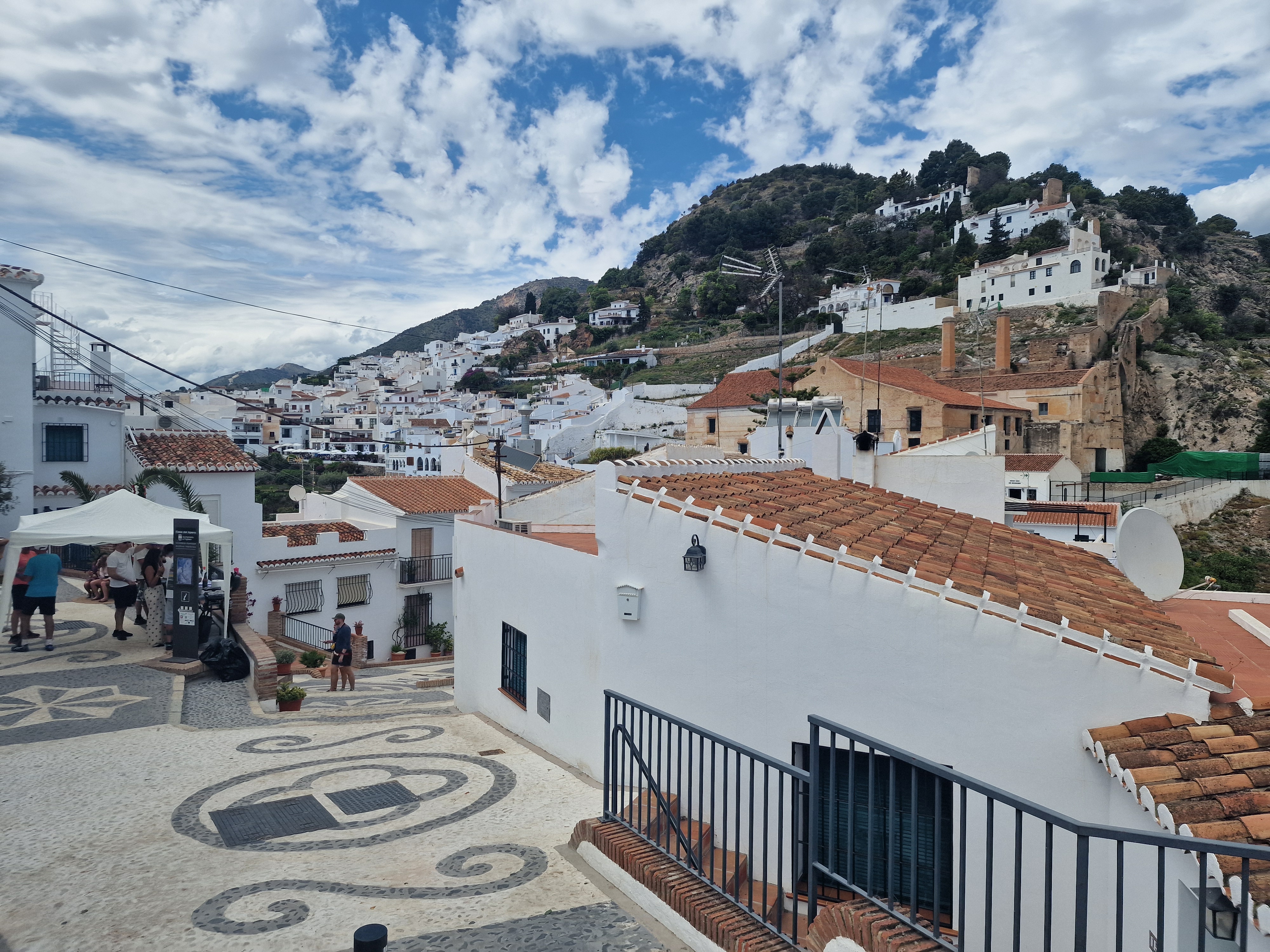
Tucked into the Sierra Almijara hills, Frigiliana looks like it was painted from a dream. Its white homes shimmer in the sun, adorned with blue doors, potted flowers, and hand-laid mosaics. Beneath the beauty lies history: this village was once home to Moors, Jews, and Christians who shaped its winding alleys and tiered terraces.
Why Frigiliana stands out:
- Hosts the Festival of the Three Cultures every August, celebrating coexistence with food, music, and dance
- Home to artists’ studios and workshops where traditional pottery and lacework are still made
- Unrivaled views across the Nerja coastline and olive groves
Personal moment: One quiet afternoon, I sipped coffee in a hilltop square as church bells echoed through the valley—peaceful, yet rich with centuries of life.
Hidden detail: Along the village walls, ceramic plaques narrate local legends—follow them for a walking storybook experience.
2. Vélez-Málaga: Where Spirit and Scholarship Meet
Often overlooked for flashier neighbors, Vélez-Málaga rewards those who dig deeper. It’s not only home to grand churches and quiet plazas—it’s where María Zambrano, one of Spain’s most influential philosophers, was born and inspired. Her legacy lingers in the city’s cultural pulse.
What sets it apart:
- A walkable old town crowned by the Alcazaba fortress and lush gardens
- The Casa Cervantes museum, where Miguel de Cervantes is said to have stayed
- Deeply traditional Holy Week processions that draw locals from across the region
Personal moment: I wandered into a neighborhood bakery and ended up chatting with an elderly man about Semana Santa—it felt like stepping into a living oral history.
Hidden detail: Near the hilltop, an old hermitage holds centuries-old murals, rarely mentioned in guidebooks.
3. Ronda: Poetry in Stone and Sky
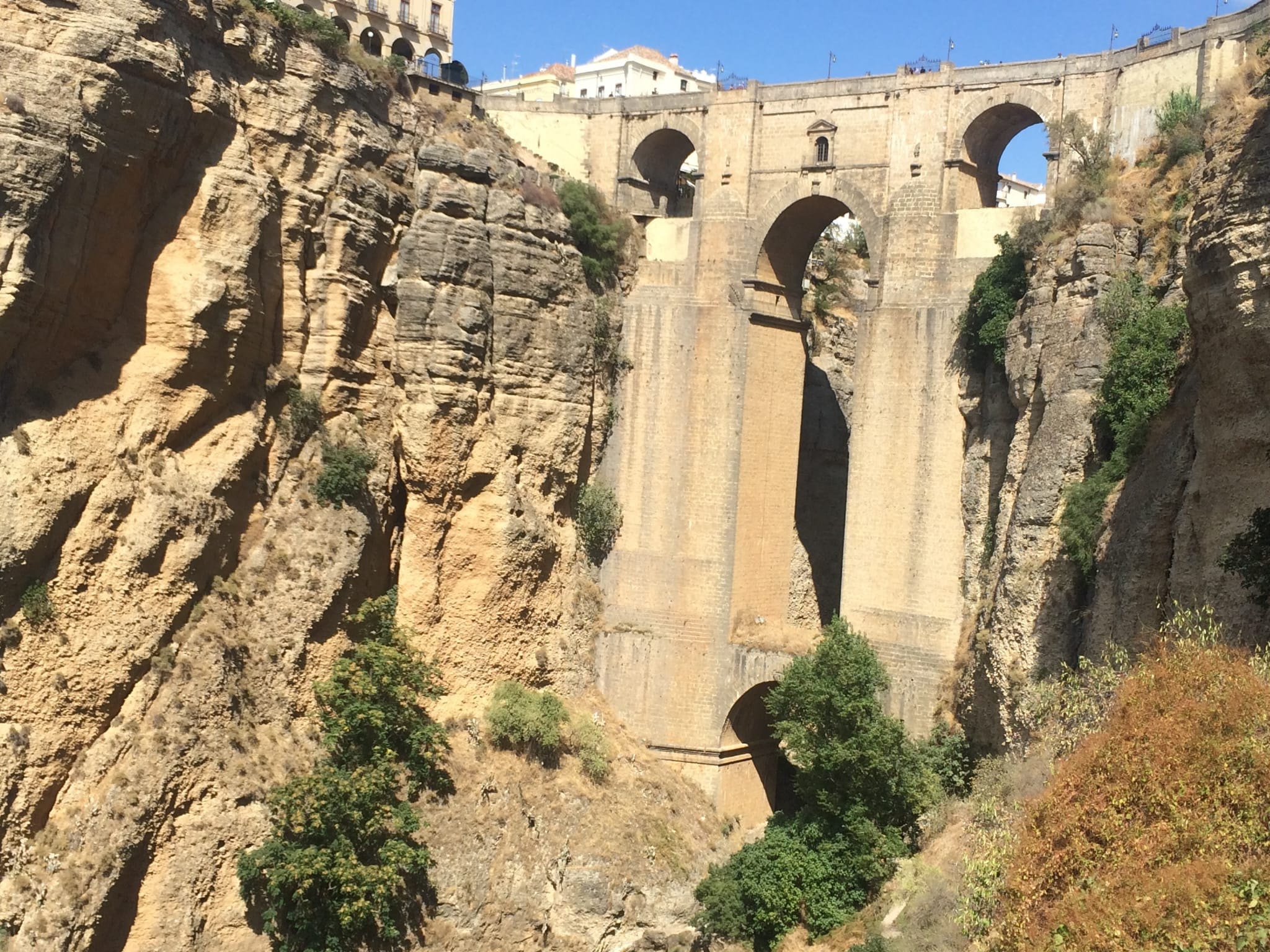
Ronda is more than a scenic stop—it’s a stage where drama and beauty unfold daily. Set above a breathtaking gorge, the town feels suspended in time. But it’s the stories—of ancient baths, fearless bullfighters, and literary legends—that make Ronda unforgettable.
Ronda’s cultural treasures:
- The El Tajo Gorge and Puente Nuevo bridge, symbols of the town’s grandeur
- The Plaza de Toros, one of Spain’s oldest bullrings and now a cultural museum
- A network of Arab baths that survived centuries of change
Personal moment: Looking out over the gorge at golden hour, the view stole my breath—and left me wondering what inspired Hemingway to return here again and again.
Hidden detail: The Bandit Museum (Museo del Bandolero) tells the stories of Andalusia’s 19th-century outlaws, once romanticized across Europe.
4. Casares: The Soul of the Mountains
From afar, Casares looks like a ripple of white buildings cascading down a steep hillside. But this village offers more than postcard views. It’s the birthplace of Blas Infante, who envisioned a distinct Andalusian identity rooted in justice, language, and land.
Why Casares deserves a visit:
- The Blas Infante interpretive center that captures his lasting impact
- A medieval castle perched at the village’s highest point
- Local food culture, including wild game and hearty stews, best enjoyed in mountain taverns
Personal moment: I hiked in from a nearby trail just as the sun rose, and the village emerged from the mist like something out of legend.
Hidden detail: Casares hosts a quirky snail-eating festival each spring—locals swear by their spicy recipe.
5. Málaga: More Than a Gateway
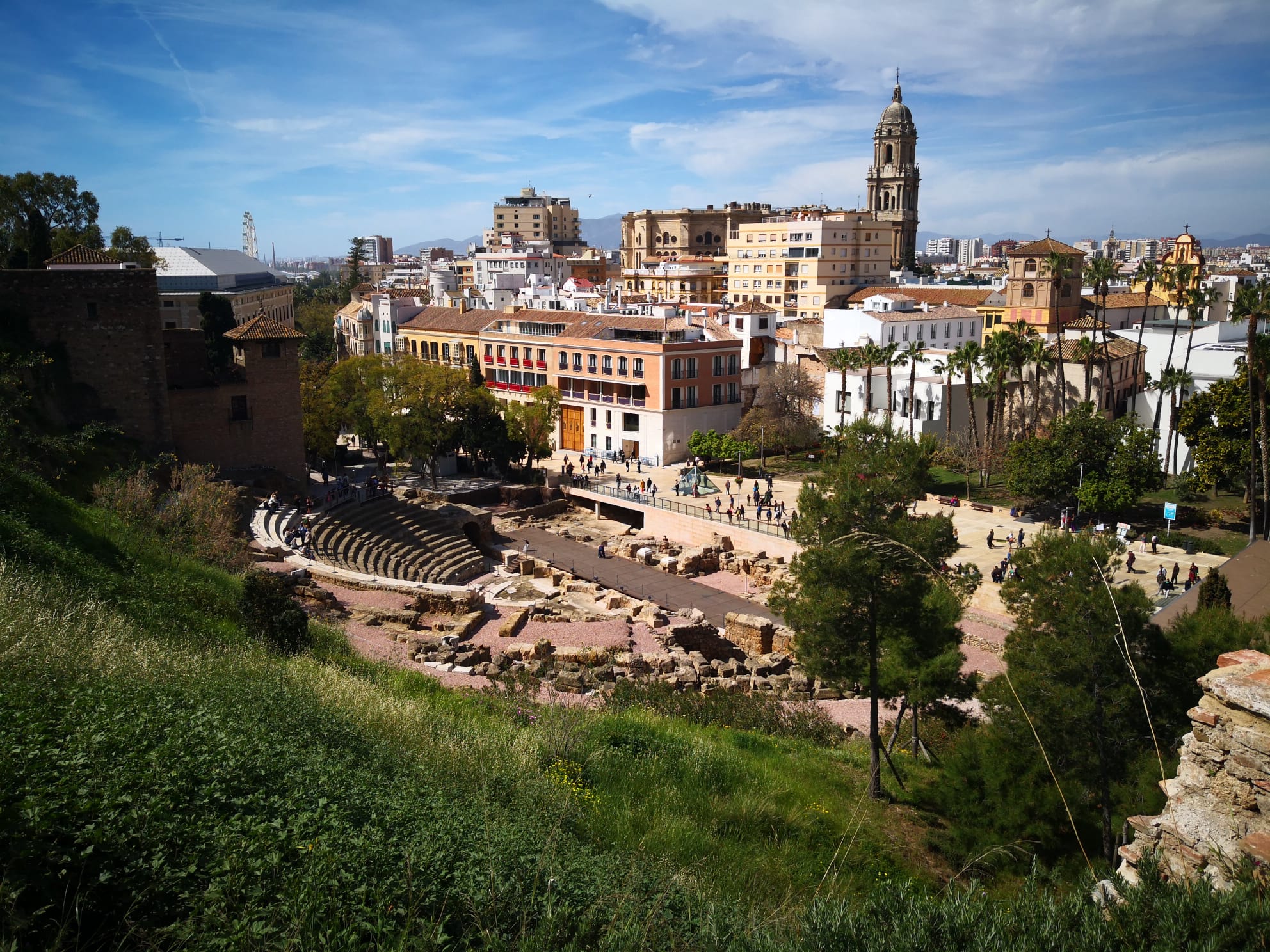
Many see Málaga as a pit stop on the way to beach towns, but they miss its evolution into one of Spain’s most vibrant cultural cities. From ancient Phoenician ruins to street art in Soho, the city hums with creative energy and historical resonance.

Málaga’s cultural mix:
- The Picasso Museum, honoring the city’s most famous son
- The Alcazaba, a Moorish fortress that overlooks both the past and the sea
- A wave of modern museums, like CAC Málaga for contemporary art lovers
Personal moment: I wandered into the Glass and Crystal Museum on a whim and stayed for hours—its quiet beauty and the owner’s passion turned it into a highlight of my trip.
Hidden detail: Málaga’s Semana Santa includes a silent midnight procession—no music, no lights, just footsteps and candles.
Conclusion
The Costa del Sol’s soul doesn’t live on its beaches—it breathes through the villages, rituals, and stories hidden just beyond them. Whether you’re tracing ancient footsteps in Ronda or listening to flamenco echo through Frigiliana’s hills, these destinations offer something deeper: a glimpse into the spirit of Andalusia. Take the turn inland—you won’t regret it.
Author Bio:
Thomas and Paula are the co-creators of Tour Costa de Sol, a curated guide to the best tours, villages, and hidden corners of Spain’s southern coast. Thomas, originally from Denmark, and Paula, from Brazil, are a couple based in Málaga with a shared love for slow travel, local food, and uncovering the cultural soul of Andalusia.
 the Red Phone Box travels
It looks really lovely, a region I really must explore further one day!
LikeLiked by 1 person
Thanks for reading
LikeLike
Ronda looks stunning, a part of the world I’d love to explore.
LikeLiked by 1 person
Me too
LikeLike
We visited all by 1 of these spots this past fall. They are definite gems. Maggie
LikeLiked by 1 person
Great to hear that!
LikeLike
Beautiful tour around this part of Spain! This is the number 1 place my husband would like to visit so hopefully Spain will see us there soon 🙂
LikeLiked by 1 person
Great!I hope you visit it soon
LikeLiked by 1 person
Costa del Sol is such a wonderful destination for those seeking sun, relaxation, and exploration of diverse landscapes and attractions. Thanks for sharing, and have a good day 🙂 Aiva xx
LikeLiked by 1 person
Thanks Aiva, have a nice weekend!x
LikeLiked by 1 person
🥰🥰🥰
LikeLiked by 1 person
I would echo their sentiments
LikeLiked by 1 person
Good to hear that
LikeLiked by 1 person
Seems like such a beautiful destination! Thanks for sharing!
LikeLiked by 1 person
Thanks for reading 🙂
LikeLiked by 1 person