
Spain offers traditions that shape daily life, from lively neighbourhood gatherings to family meals that stretch well into the evening. As you travel between regions, you’ll notice how local communities preserve their customs. Exploring these experiences helps you see Spain beyond its familiar tourist attractions. With some thoughtful planning, you can enjoy a holiday that brings you closer to the country’s people and cultural heritage.
Festivals and Celebrations
Each region follows its own calendar, so your travel dates can influence what you experience. For example, Seville hosts its famous Feria de Abril in spring, when residents wear traditional clothing, dance sevillanas, and gather in decorated tents called casetas. Meanwhile, Valencia celebrates Las Fallas in March with elaborate sculptures and fireworks.
Going on a Spain holiday gives you access to these traditions firsthand, allowing you to experience local celebrations alongside the communities that bring them to life.
Check local tourism websites before booking, as festival dates sometimes change. You should also reserve accommodation early during major celebrations, as demand increases and central hotels become more expensive.
Everyday Customs and Practices
You can learn just as much about local life by observing how residents eat and spend their afternoons. For instance, many Spaniards eat later than British visitors expect, often around 2 pm, while dinner commonly begins after 9 pm. Adapting your mealtimes helps you find restaurants when locals visit, giving you more opportunities to experience regional dishes and everyday conversation.
At Valencia’s Mercado Central, traders sell fresh produce and regional ingredients. Visiting in the morning lets you observe daily shopping routines while discovering foods you might otherwise overlook.
You can also explore the tradition of the paseo, an evening stroll through public squares and pedestrian streets. Joining these relaxed routines costs nothing and allows you to appreciate the social atmosphere.
Art, Music, and Dance
Spain’s artistic traditions reflect centuries of regional influences, making cultural performances and historic venues worthwhile additions to your itinerary.
In Andalusia, flamenco combines expressive singing and guitar music. Seville and Granada offer performances in intimate venues known as tablaos, where you can watch performers closely and appreciate their musical skill.
Choosing a smaller venue often creates a more personal experience. You can compare programmes and read recent reviews.
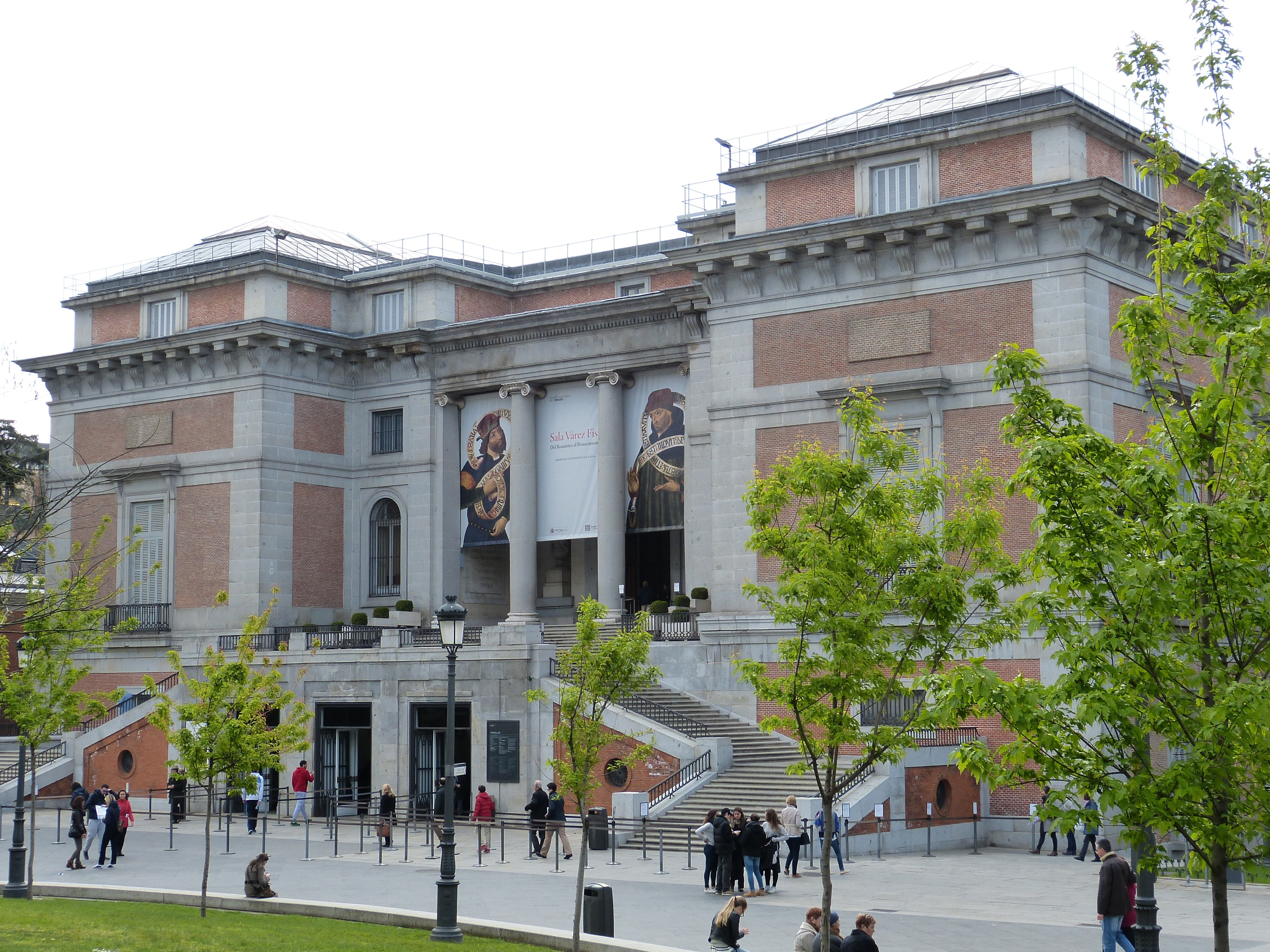
Spain’s museums provide another perspective. Madrid’s Prado Museum houses work by artists including Velázquez and Goya, whose paintings reveal aspects of Spanish history and society. Allowing enough time for a museum visit helps you understand the stories behind individual works.
Celebrate Spanish Traditions on Your Next Holiday
Often, the moments you remember most come from ordinary encounters: a conversation with a market trader or an unexpected street performance. You don’t need to understand every custom before arriving. Curiosity, patience, and respect can help you connect with people whose routines differ from your own.
By leaving some flexibility in your itinerary, you give yourself room for spontaneous discoveries. These experiences can change how you view Spain, turning a familiar holiday destination into somewhere you understand more personally.
Disclaimer: this is a collaboration post.

